Cabinet Reports
Below is a snapshot of some of the Cabinet reports I have taken forward as Cabinet Member for Children’s Services and Education. It represents just a small part of the work delivered over the past two years, focused on strengthening services, improving outcomes, and ensuring children, young people and families are supported to thrive.
July 2026
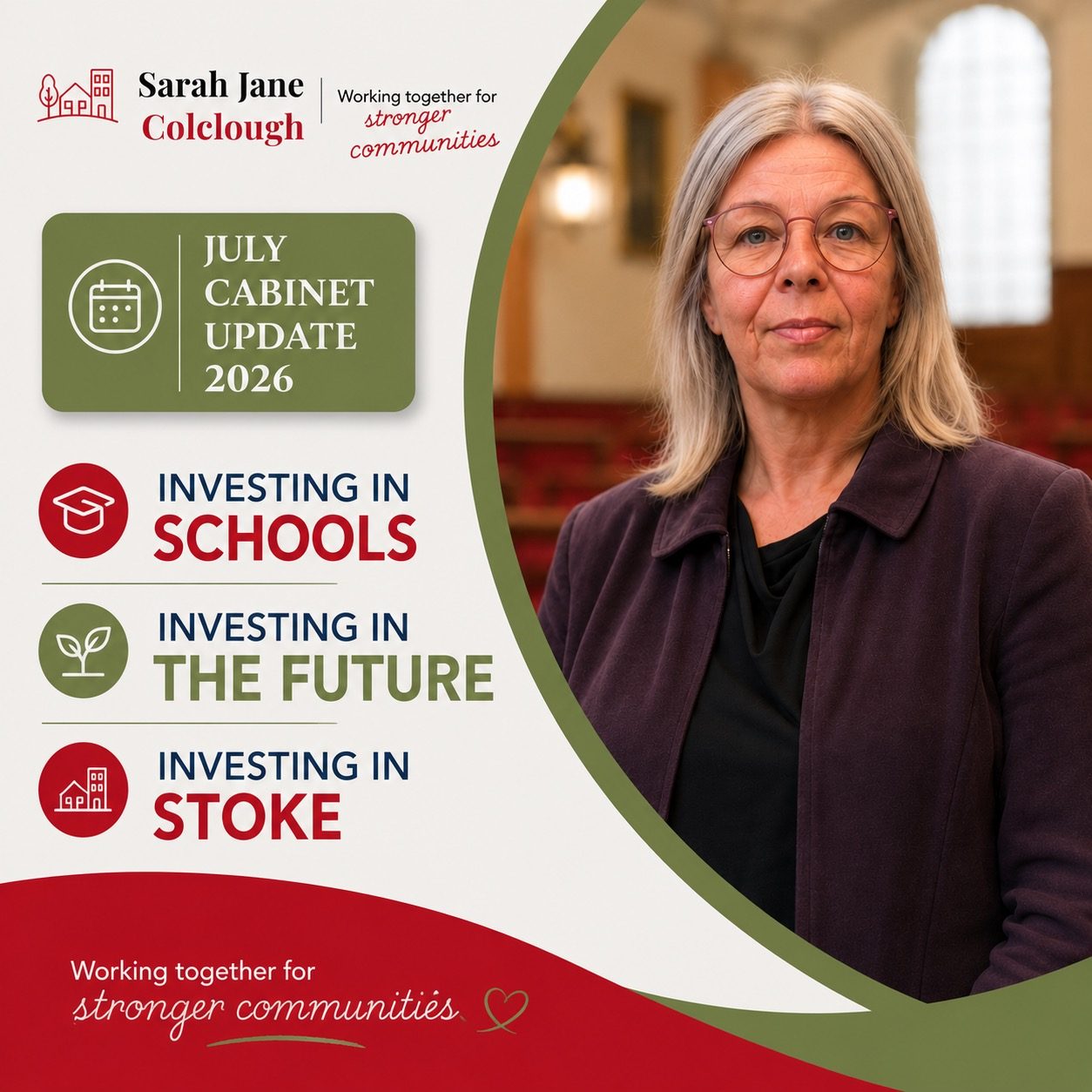
This month, I'm proud to have supported proposals to bring more investment into Stoke-on-Trent, improve our schools and create the city's first dedicated specialist nursery for children aged 0–5 with SEND. Together, these decisions will help more children get the right support, in the right place, at the right time—giving families greater opportunities and children the best possible start in life.
March 2026
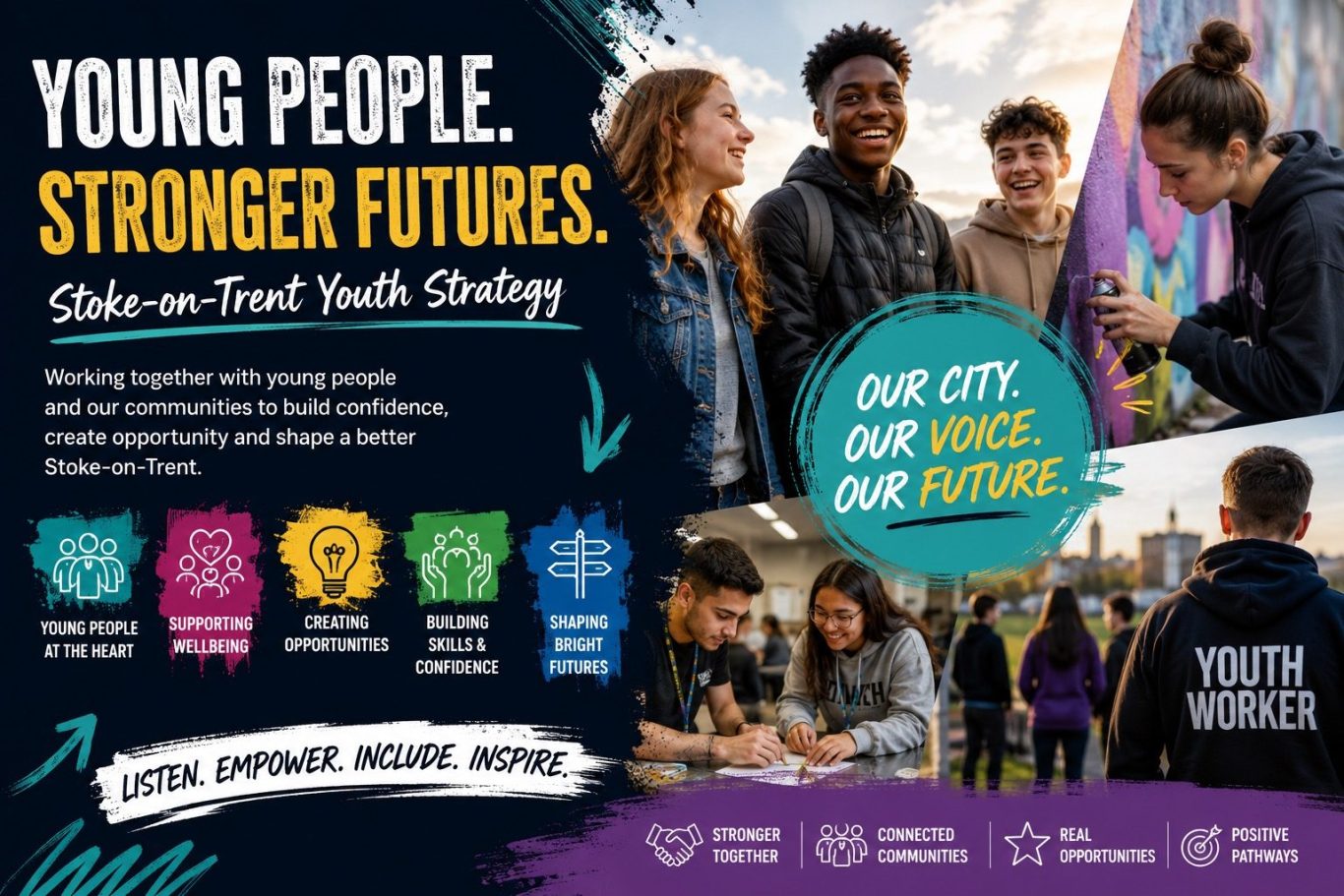
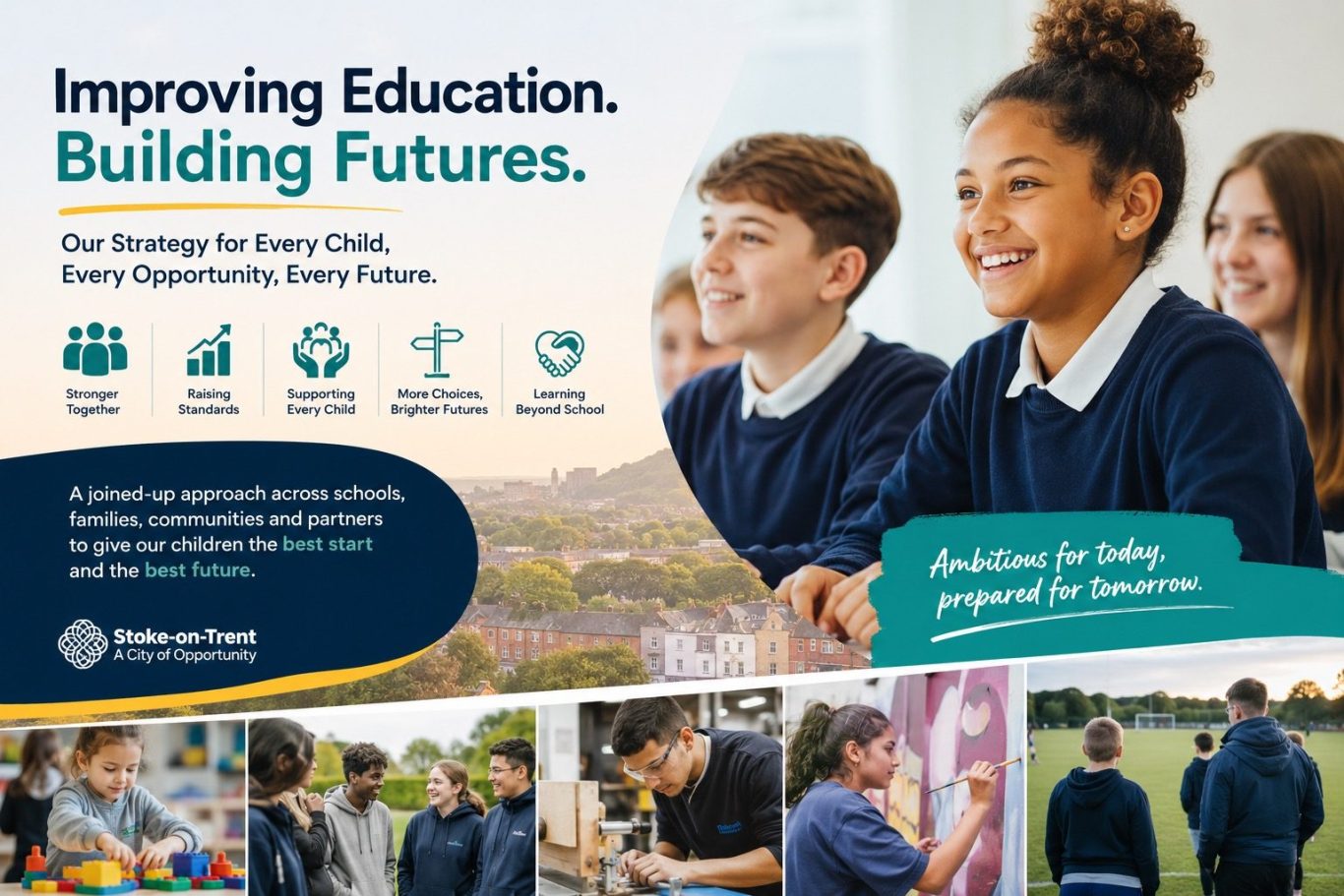
We know that improving education isn’t just about what happens inside the classroom — it’s about the whole environment a child grows up in.
That’s why this approach goes further than previous strategies. Yes, we are driving up standards in schools, improving attendance, and making sure every child gets a good education. But we are also recognising that learning happens everywhere — in youth clubs, community spaces, sports, mentoring, and the relationships young people build outside of school.
For too long, these have been treated as separate. This brings them together.
We are building a system where schools, youth services, families and communities all work as one — so that no child falls through the gaps, and support doesn’t stop at the school gate.
March 2026
For a long time, we’ve had plans to improve education — but for many families, things haven’t changed quickly enough. Too many children are still leaving school without the skills or confidence they need, and too many parents feel like they’re left to figure things out on their own.
This new approach is about changing that — not with more paperwork, but with how the system actually works day to day.
So what will feel different?
- Support starts earlier
More help for children before they even start school — with speech, language, confidence and development — so they don’t fall behind in the first place. - Schools working together, not in isolation
Instead of schools doing their own thing, they’ll be expected to work as one city-wide system — sharing what works and stepping in to help where things aren’t good enough. - Quicker action when something isn’t right
If a school is struggling, it won’t be left to drift. There will be earlier support and, where needed, stronger intervention to turn things around. - Better support for children who need it most
That includes children with SEND, children in care, and those from disadvantaged backgrounds — making sure they get the right support at the right time, in the right place. - More focus on real-life skills and futures
This isn’t just about exams. It’s about making sure young people leave school ready for work, college, or apprenticeships — with clearer pathways and better opportunities in the city. - Fewer exclusions and better behaviour support
Schools and services will work together to keep children in education, rather than pushing them out when things get difficult.
February 2026
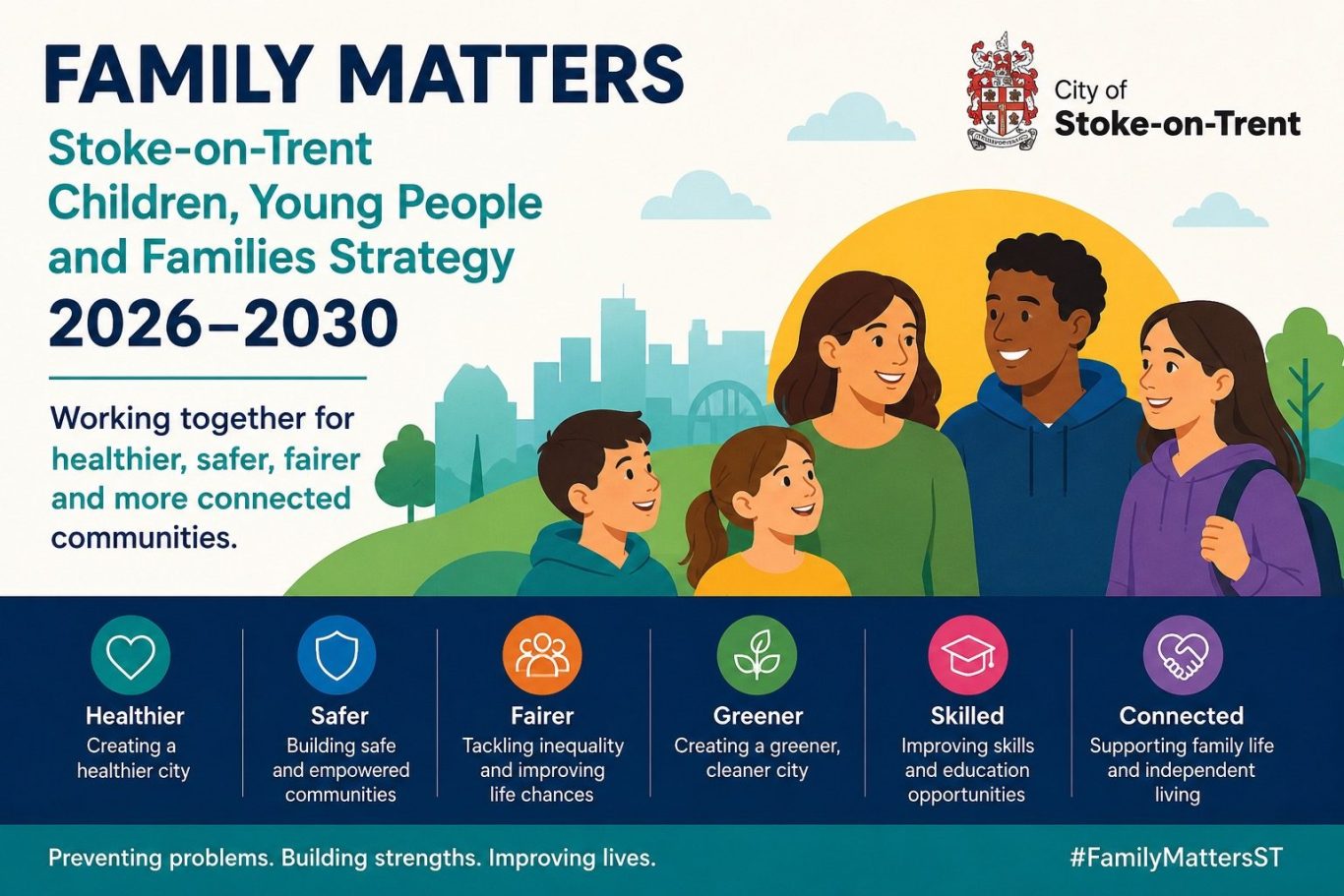
Children only get one childhood, and it is our responsibility to make it the best it can be. This strategy sets out a shared commitment to tackling the issues that hold too many children back, from poverty and poor health to educational disadvantage and family hardship.
By investing in prevention, early help and stronger partnerships across the city, we want to ensure that every child has the support, opportunities and stability they need to succeed. Our ambition is simple: a Stoke-on-Trent where every child can grow up safe, healthy, happy and hopeful about their future.
January 2026
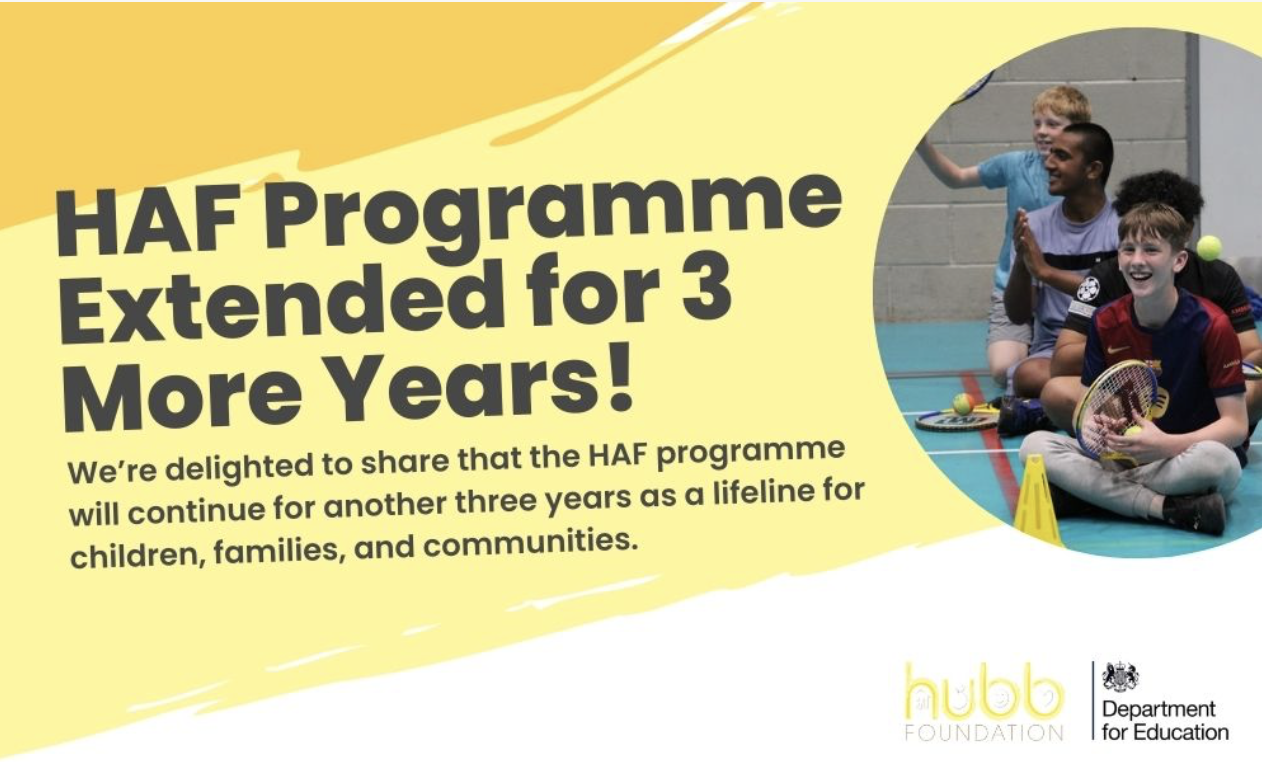
The Government has announced national funding for the next three years, and while the specific allocation for Stoke-on-Trent is still pending, measures are being taken to ensure that there will be no interruption in service provision. By extending current arrangements temporarily, we will be able to offer a comprehensive Easter programme in 2026 while conducting a competitive tender process for a long-term contract. This approach ensures continuity for families and provides service providers with the stability needed to organise high-quality holiday activities. The Holiday Activities and Food (HAF) programme delivers free, high-quality activities and nutritious meals for children and young people during school breaks. The programme aims to: - Enhance children's physical and mental wellbeing - Provide families with additional support during extended holidays - Create opportunities for children to acquire new skills and forge new friendships HAF sessions are available throughout the city at schools, community centres, sports venues, youth clubs, and local organisations. Families can select sessions that align with their children's interests and proximity.
November 2025
If you are aged 18–25 and have been in care, Stoke-on-Trent City Council is here to support you. We are improving the help you get because we listened to young people. This includes help with Council Tax, free or low-cost internet, cheaper or free travel, and more support into jobs and training. There will also be a named worker and a group to make sure these promises are kept. These changes are to help you feel supported, be more independent, and have better chances in the future.
November 2025
This report sets out the agreed expansion of the Educational Psychology service in response to sustained growth in demand for SEND assessment, early intervention, and specialist advice.
Educational Psychologists have a central statutory role in the identification of special educational needs and disabilities and in supporting children and young people to access education. Their advice is a required component of Education, Health and Care Needs Assessments and is critical in informing appropriate provision, reasonable adjustments, and inclusive practice within education settings.
Increasing capacity within the Educational Psychology service will strengthen the Council’s ability to meet statutory timescales and improve the timeliness and quality of professional advice. This will reduce delays in assessment, support earlier identification of need, and help prevent difficulties from escalating.
October 2025
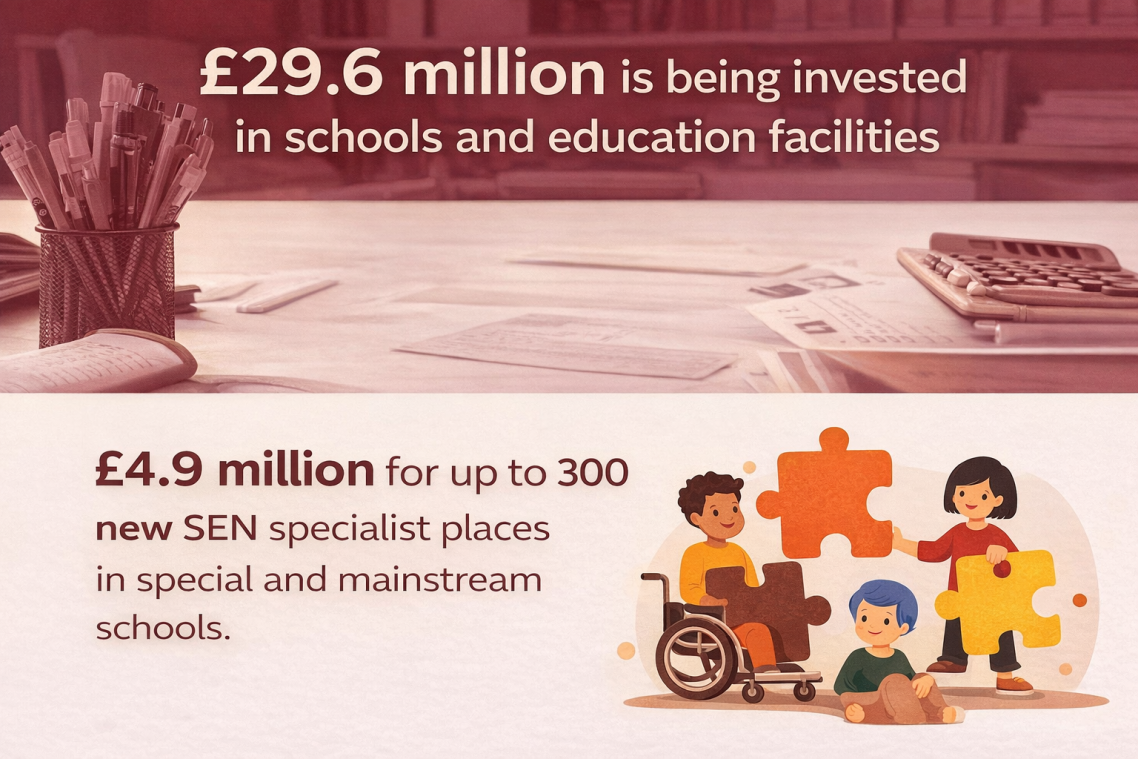
£29.6 million is being invested in schools and education facilities, combining £18.4 million of ongoing projects with £11.2 million of new investment, prioritising SEN provision, safety, and long-term capacity.
Of this investment, £4.9 million is being allocated specifically to Special Educational Needs (SEN). This funding will create up to 300 additional specialist places for children and young people, including new and expanded SEN provision in both special schools and mainstream settings. It will support earlier intervention, more inclusive learning environments, and help more children access the right support closer to home.

July 2025
The Cabinet has approved the annual report for 2023–24, highlighting that the Virtual School has enhanced oversight and outcomes for children in care. Notably, over 99% of Personal Education Plans (PEPs) were completed, and there has been significant improvement in planning for Special Educational Needs and Disabilities (SEND). Access to early years provision has been broadened, and there has been an increase in staffing capacity. Attendance rates have consistently surpassed national averages, while enrichment opportunities have expanded considerably. New pathways have been established to elevate aspirations and minimise drift, reflecting ongoing improvement and a robust commitment to corporate parenting.
June 2025
This framework is about making sure everyone can access opportunities to learn, retrain and find good work – no matter their age or background.
Too many residents have the skills and potential but face barriers that hold them back. I am passionate about breaking those barriers down, whether someone is starting out, changing careers, or returning to work later in life.
By linking training directly to real local jobs and employers, this work will help people gain the skills they need to build secure futures, improve their wellbeing, and strengthen our communities.
Everyone deserves the chance to move forward – at every stage of life.
April 2025
Stoke-on-Trent City Council’s Cabinet has agreed to recognise experience of care as a locally protected characteristic within the city.
This means that whenever the Council designs a new policy or programme, it must now consider how changes could affect people who have been in care. The aim is to make services fairer and more effective for care-experienced people.
The decision could help improve access to opportunities such as apprenticeships, housing, and support during financial hardship, by ensuring policies reflect the realities care leavers face.
This move goes beyond the Council’s legal duties and shows a long-term commitment to supporting care leavers throughout their adult lives.
February 2025
The Postgraduate Diploma strengthens our Children’s Services workforce by securing a reliable, high-quality pipeline of newly qualified social workers through the Step Up to Social Work programme. It improves recruitment and retention, reduces reliance on agency staff, and supports workforce stability across the region. Because the programme is fully funded by the Department for Education, it increases capacity without placing additional pressure on the Council’s budget. Most importantly, it benefits children and families by ensuring greater continuity of social workers, improved practice quality, and more stable, consistent support for those who need it most.

February 2025
Elements of Josiah Spode II’s former residence, The Mount in Penkhull, are scheduled for refurbishment and repurposing as classrooms for The Willows Primary School, as part of a £2.9 million initiative. This Grade II listed structure, constructed in 1803 and largely unoccupied for the past seven years, will furnish essential space in light of the school's recent expansion. This development will enable the removal of temporary classrooms while ensuring the preservation and restoration of this significant historical edifice for the benefit of future generations.
October 2024
This service is about stepping in early and standing alongside our children before problems escalate into crisis. In Stoke-on-Trent, too many young people are struggling with anxiety, low mood and the lasting impact of trauma, and we know that waiting until they reach breaking point is both damaging for families and costly for public services.
By investing in an accessible, community-based emotional health and wellbeing service, we are making sure children get the right support, at the right time, and close to home. This means better mental health, improved school attendance, stronger family relationships and fewer children needing crisis or specialist intervention later on.
Crucially, this service prioritises our most vulnerable children, including care-experienced young people and those facing barriers to accessing support. It is about tackling inequality head-on and giving every child in our city the chance to feel safe, supported and able to thrive.
July 2024
Cabinet agreed the new SEND Strategy, developed to ensure a shared and agreed vision across the city and our partnerships. The strategy is focused on ensuring that every child and young person receives educational opportunities that meet their individual needs, with earlier identification of escalating need. This will ensure that children and young people with SEND receive the right support, at the right time, delivered by the right people, improving outcomes and reducing the need for crisis intervention.